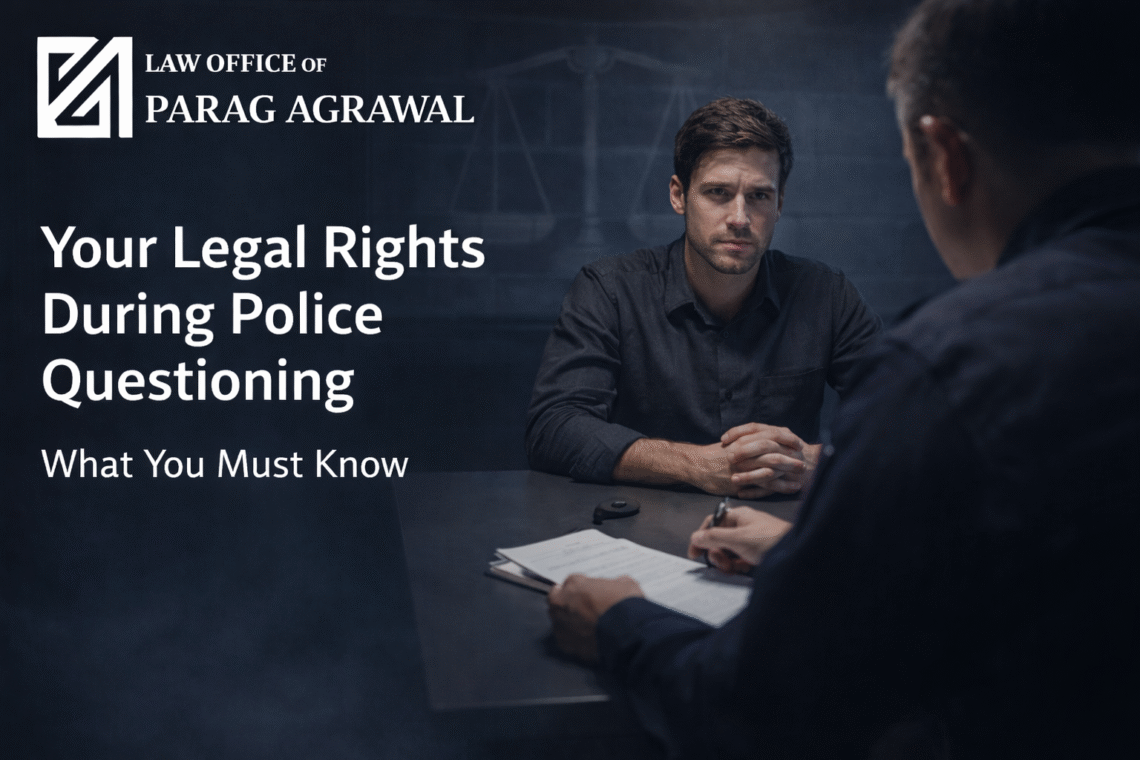
Getting questioned by the police can feel stressful, even if you’ve done nothing wrong. Many people panic or say things they later regret. The truth is, knowing your rights can protect you more than anything else in that moment.
Whether you’re dealing with a serious case or simply seeking advice from a California white collar crimes lawyer, understanding your rights during police questioning in California is essential. It can help you avoid mistakes that may affect your future.
In this guide, we’ll break everything down in simple language so you know exactly what to do and what not to do when police start asking questions.
What Happens During Police Questioning?
Police questioning, also called interrogation, happens when officers ask you questions related to a case.
This can happen:
- At the scene
- On the street
- At a police station
Sometimes it feels casual, but it’s important to remember: anything you say can be used against you.
That’s why understanding your police questioning rights in California is so important.
What Rights Protect You During Police Questioning?
You are protected by the U.S. Constitution. These are not just legal terms — they are your basic rights.
1. Right to Remain Silent (Fifth Amendment)
One of the most important Fifth Amendment rights police questioning gives you is the right to stay silent.
This means:
- You do NOT have to answer questions
- You can simply say: “I choose to remain silent”
This is also known as the right to remain silent in California.
2. Right to an Attorney (Sixth Amendment)
You also have the right to an attorney during questioning.
This means:
- You can ask for a lawyer before answering anything
- Police must stop questioning until your lawyer is present
This is your Sixth Amendment right to lawyer, and it’s extremely important.
3. Miranda Rights in California
Before questioning, police must inform you of your Miranda rights in California.
These include:
- Your right to remain silent
- Your right to an attorney
- Warning that your statements can be used against you
If these rights are not properly explained, it may affect your case.
Rights Police Don’t Want You to Know (But You Should)
Let’s talk about some rights police DON’T want you to know – or at least, things they won’t always explain clearly.
You Can Refuse to Answer Questions
Yes, you can.
If you’re wondering, can you refuse to answer police questions?
The answer is yes.
You Don’t Have to Go to the Station (In Many Cases)
If police ask:
“Can you come to the station?”
Ask:
- “Am I being detained or am I free to leave?”
If you’re free to leave, you can say no.
You Don’t Have to Talk Without a Lawyer
Even if you feel pressured, you can say:
“I want to speak to my lawyer first.”
What Are My Rights When Being Stopped by Police?
This is a very common question.
When stopped by police:
- Stay calm
- Do not argue
- Do not run
Can a police officer ask for your ID for no reason?
In California:
- Police generally need a reason
- You may not always be required to show ID unless detained
If a police officer asks for your name, do you have to give it?
In some situations, yes – especially if you are lawfully detained.
What to Do During Police Questioning
Here are some practical steps you should follow:
Stay Calm and Polite
Do not panic or argue.
Use Your Right to Remain Silent
You can politely say:
“I prefer not to answer questions.”
Ask for a Lawyer
This is one of the smartest things you can do.
Avoid Giving Extra Information
Even small details can be misunderstood.
Common Mistakes People Make
Many people unknowingly harm their own case.
Avoid these mistakes:
- Talking too much
- Trying to “explain everything”
- Believing you can clear things up quickly
- Not asking for a lawyer
Legal Rights During Police Interrogation (Real-Life Insight)
Let’s take a simple example.
A person is called in for questioning. They believe they are just helping. They talk freely without a lawyer.
Later, their own statements are used against them.
This is why knowing your legal rights during police interrogation is so important. What you say can shape your entire case.
Why Legal Guidance Matters
Police questioning is not just a conversation. It’s part of a legal process.
Having the right guidance can:
- Protect your rights
- Prevent mistakes
- Help you handle the situation confidently
The Law Office Of Parag Agrawal understands how these situations work and helps clients make informed decisions when it matters most.
FAQs
1. Can you refuse to answer police questions in California?
Yes. You have the right to remain silent and do not have to answer questions.
2. Do I have to go to the police station if asked?
Not always. Ask if you are free to leave. If yes, you can refuse.
3. What are Miranda rights?
They are your rights to remain silent and to have a lawyer during questioning.
4. Should I talk to the police without a lawyer?
It’s generally not recommended. Having a lawyer protects you.
5. What rights protect you during police questioning?
Your Fifth Amendment (silence) and Sixth Amendment (lawyer) rights are key protections.
Conclusion
Being questioned by police can be intimidating, but you are not powerless. The law gives you strong rights to protect yourself.
Understanding your California police interrogation rights can make a huge difference in how your situation unfolds.
Stay calm, think carefully, and don’t hesitate to use your rights.
If you or someone you know is facing police questioning or legal trouble, getting the right advice early is crucial.
Reach out to the Law Office Of Parag Agrawal for trusted legal guidance and protect your rights with confidence.