Getting arrested is scary.
Most people never think it will happen to them. One moment life feels normal, and the next you may be in handcuffs, surrounded by police, unsure of what comes next.
If you or someone close to you has been arrested in Los Angeles, this guide is here to help. It explains what you should do and what you should avoid in the first few hours and days. What you do early can significantly affect the outcome of the case, which is why speaking with an experienced criminal lawyer in Los Angeles as soon as possible is often a critical first step.
This article is written for everyday people, not legal experts. The language is simple, clear, and meant to help you feel more informed and less overwhelmed.
First Things First: Stay Calm
An arrest does not mean you are guilty. It simply indicates that the police think there is sufficient justification for your detention. It usually gets worse when you argue, panic, or try to justify yourself. Even if you believe you are helping yourself, anything you say could later be used against you because officers are trained to gather statements.
Take a deep breath. Stay calm.
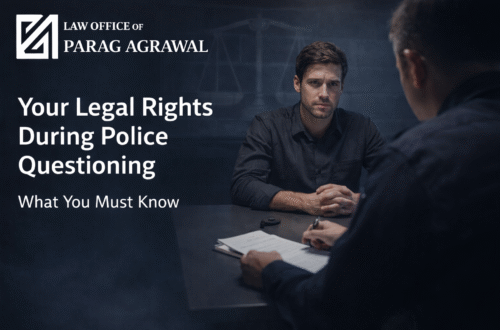
Do Not Talk to the Police Without a Lawyer
This is the most important rule.
You have the right to remain silent. Use it.
Many people believe they can “clear things up” by talking. In reality, people often say things that are misunderstood, taken out of context, or written down in a way that hurts their case later.
You should clearly and politely say:
“I am choosing to remain silent. I want to speak with a lawyer.”
After that, stop talking.
Do not answer questions.
Do not explain your side.
Do not try to be helpful.
This is not being rude. This is protecting yourself.
What Happens After an Arrest in Los Angeles
After you are arrested, several things usually happen:
1. Booking
You may be taken to a police station or jail where officers:
- Take your fingerprints
- Take your photo
- Collect basic personal information
This process can take several hours.
2. Charges
The police send their report to the prosecutor.
The prosecutor decides whether to file charges and what charges to file.
This decision may happen the same day or later.
3. Bail
Depending on the charge, you may:
- Be released on your own promise to appear
- Be given a bail amount
- Remain in custody until court
A lawyer can help request lower bail or release.
4. Court Date
You will receive a court date called an arraignment. This is where charges are formally read.
Common Mistakes People Make After an Arrest
Many cases are damaged not because of the arrest, but because of mistakes made afterward.
Avoid these common errors:
- Talking to police without a lawyer
- Calling or messaging the accuser
- Posting about the arrest on social media
- Talking about the case with friends or coworkers
- Ignoring court paperwork
- Waiting too long to speak with a lawyer
Even messages you think are private can later become evidence.
How Police and Prosecutors Build Criminal Cases
Most criminal cases rely on:
- Police reports
- Witness statements
- Body camera footage
- Text messages or phone records
- Physical evidence
- Statements made by the accused
Once something is written in a report, it can be hard to undo. That is why staying silent and getting legal help early is so important.
Former Prosecutor Insight (Why This Matters)
A former prosecutor understands how cases are reviewed from the government’s side.
Prosecutors often look at:
- Whether statements match evidence
- Whether police followed proper steps
- How early the defense gets involved
- Whether evidence can be challenged
Many cases become weaker when a lawyer steps in early and starts asking the right questions.
Possible Consequences of a Criminal Charge
Every case is different, but possible outcomes can include:
- Fines
- Probation
- Jail or prison time
- A criminal record
- Job problems
- Immigration issues
- Problems with housing or licenses
Not every arrest leads to a conviction.
Strong legal defense can reduce charges or sometimes get them dismissed.
What You Should Do After an Arrest
Here is what helps protect your case:
✔ Stay silent
✔ Ask for a lawyer
✔ Follow release instructions
✔ Attend all court dates
✔ Keep all paperwork
✔ Speak honestly with your attorney
✔ Let your lawyer handle communication
Early action matters more than most people realize.
Do You Need a Criminal Defense Lawyer Right Away?
Yes. The earlier a lawyer is involved, the more options you usually have.
A criminal defense lawyer can:
- Review the arrest
- Identify police mistakes
- Speak to prosecutors on your behalf
- Protect your rights
- Guide you through court
- Reduce stress and confusion
Waiting can limit your options.
Frequently Asked Questions
Does an arrest mean I will be convicted?
No. Many arrests do not lead to convictions. Charges can be reduced or dismissed depending on the facts and defense.
Should I explain my side to police later?
No. Once you ask for a lawyer, all communication should go through your attorney.
How soon should I contact a lawyer?
Immediately. The first 24–48 hours are often critical.
Can charges be dropped later?
Yes, in many cases charges are reduced or dropped after review and legal action.
Talk to a Criminal Defense Attorney in Los Angeles
If you or a loved one has been arrested in Los Angeles, you do not have to face this alone.
Speaking with a criminal defense attorney early can protect your rights and help you understand your options. A calm, informed approach can make a real difference in the outcome of your case.
Confidential help is available. Early guidance matters.